Common Bitcoin Scams to Avoid – Essential Tips for Safer Trading
In the rapidly evolving world of digital currencies, it’s crucial to be aware of common Bitcoin scams to avoid. As more individuals and businesses embrace cryptocurrency, scammers are devising increasingly sophisticated tactics to exploit naïve investors. This blog post will delve into some of the most prevalent scams targeting Bitcoin users, offering insights and strategies to protect yourself from financial loss.
Introduction: Understanding the Landscape of Bitcoin Scams

Bitcoin, initially hailed as a revolutionary form of currency, has transformed how we think about money and investment. However, alongside its rise, a darker side has emerged—a plethora of scams targeting unsuspecting users. The anonymity and decentralization that make Bitcoin attractive also create opportunities for fraudsters.
As we navigate through this digital landscape, it becomes imperative to understand the various types of scams that exist. Awareness is your best defense; knowing what scams look like can save you from significant losses. In this post, we’ll explore several common scams, dissect their mechanics, and offer preventive measures to ensure your Bitcoin experience remains positive and profitable.
Phishing Attacks: Protecting Your Private Keys and Wallets
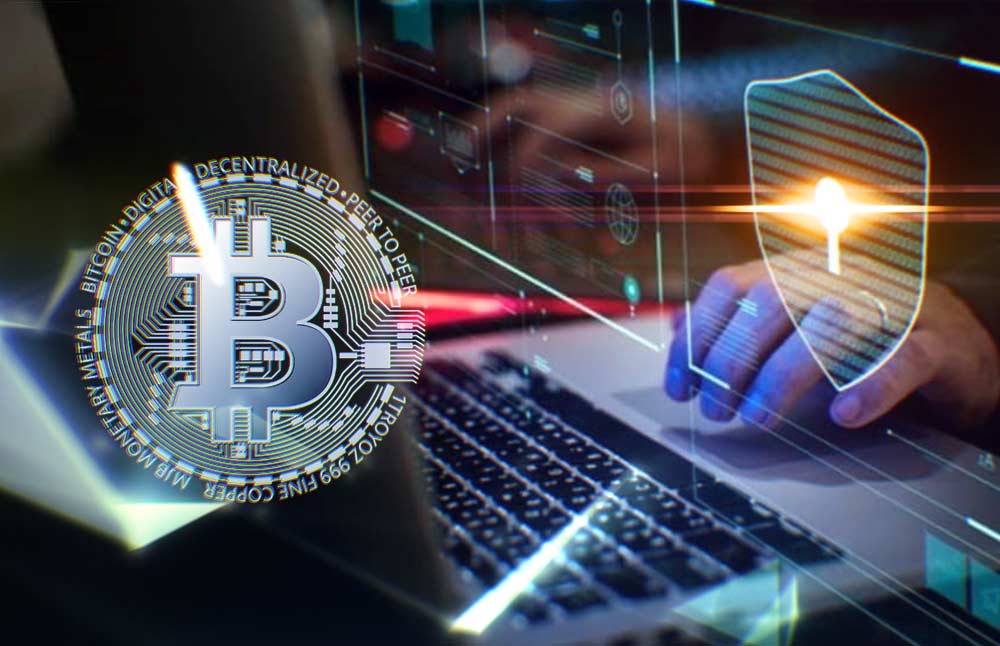
Phishing attacks are one of the most insidious threats facing Bitcoin users today. These attacks often take the form of seemingly legitimate emails or messages aimed at tricking victims into revealing sensitive information, such as private keys or wallet passwords.
Understanding Phishing Techniques
Phishers employ a variety of techniques to deceive their targets. They might send emails that appear to come from reputable exchanges or wallet services, urging recipients to click on malicious links. Once clicked, these links may lead to fake websites that closely mimic legitimate ones. Users who enter their login credentials or private keys on these sites inadvertently hand over their information to criminals.
The evolution of phishing has led to increasingly sophisticated methods, including spear phishing, where attackers tailor their messages to specific individuals, making them even harder to recognize. Often, these messages include urgent deadlines or unusual account activity prompts, compelling users to act quickly without verifying the source.
How to Spot Phishing Attempts
To protect yourself from phishing scams, it’s essential to develop an awareness of common warning signs. Look out for:
- Email addresses that are misspelled or have unusual domains.
- Generic greetings instead of personalized messages.
- Links that do not match the official website URL.
- Requests for sensitive information via email or messaging apps.
Always double-check URLs before clicking and consider using bookmarks to access sites directly rather than relying on links in emails.
Best Practices for Guarding Your Information
Securing your private keys and wallet should be a top priority. Here are some effective practices:
- Use Two-Factor Authentication (2FA): Enabling 2FA adds an extra layer of security. Even if your password is compromised, a second verification step will thwart unauthorized access.
- Update Software Regularly: Ensure that your wallet software, antivirus, and operating system are up-to-date to minimize vulnerabilities.
- Educate Yourself: Stay informed about the latest phishing trends and tactics. Knowledge is power when it comes to identifying potential threats.
Reporting Phishing Scams
If you encounter a phishing attempt, report it immediately. Most legitimate companies provide avenues for reporting fraudulent communications. By doing so, you contribute to the broader effort to combat these scams, helping others avoid falling victim.
Investment Scams: Identifying and Avoiding Pump-and-Dump Schemes
In the fast-paced world of cryptocurrency investment, scams often masquerade as legitimate trading opportunities. One prevalent scheme is the pump-and-dump scam, which exploits inexperienced traders looking to cash in on rising market prices.
What is a Pump-and-Dump Scheme?
A pump-and-dump scheme involves artificially inflating the price of a cryptocurrency through misleading promotion, only for the perpetrators to sell off their holdings at the peak, leaving unsuspecting investors with losses. This practice is typically conducted in online forums, social media channels, or through targeted advertisements.
Scammers often hype lesser-known cryptocurrencies or new tokens by disseminating false information regarding partnerships, upcoming developments, or imminent price increases. Such promotions create a sense of urgency and fear of missing out (FOMO), encouraging impulsive buying among investors.
Recognizing Red Flags
Identifying a potential pump-and-dump scheme requires vigilance. Some common red flags include:
- Promises of guaranteed returns or extremely high profits.
- Unexplained spikes in price or volume accompanied by vague or exaggerated claims.
- Aggressive marketing tactics on social media platforms.
- Lack of transparency or credible information about the project behind the cryptocurrency.
Conducting Due Diligence
Before investing in any cryptocurrency, conducting thorough research is essential. Investigate the team behind the project, examine their whitepaper, and check for legitimate partnerships or endorsements. Reliable communities, such as those found on reputable forums or established cryptocurrency news sites, can also provide valuable insights.
Additionally, consider diversifying your investments rather than putting all your funds into a single asset. A well-diversified portfolio reduces risk and provides a buffer against sudden price drops.
Legal Consequences and Accountability
Pump-and-dump schemes are illegal in many jurisdictions. Regulatory bodies like the SEC in the United States actively pursue legal action against perpetrators. If you suspect you’ve fallen victim to such a scam, documenting your interactions and any evidence can be crucial for potential recovery efforts.
Fake Exchanges and ICOs: Recognizing Red Flags and Due Diligence
With thousands of cryptocurrencies available, many investors turn to exchanges and Initial Coin Offerings (ICOs) to participate in the market. However, the proliferation of fake exchanges and fraudulent ICOs presents significant risks.
Identifying Fake Exchanges
Fake exchanges can ruin an investor’s entire experience. They often promise low fees, high liquidity, or exclusive trading pairs but are designed to steal funds. Scammers might create websites that resemble popular exchanges, complete with professional graphics and user interfaces.
To identify a fake exchange, look for:
- Absence of regulatory licenses or registration.
- Poor customer service and lack of response to inquiries.
- User reviews that raise red flags or describe scam experiences.
- Unrealistic offers that sound too good to be true.
Always confirm the legitimacy of an exchange before committing any funds.
Understanding ICO Risks
Initial Coin Offerings present another area ripe for exploitation. While many ICOs are legitimate, others are mere fronts for scams. Scammers often create hype around an ICO to attract funds, only to disappear once the investment pool grows.
Conducting Comprehensive Research
Research is key to ensuring you’re engaging with legitimate exchanges and ICOs. Key steps include:
- Whitepaper Evaluation: A legitimate ICO should have a well-articulated whitepaper outlining the project’s purpose, technology, and roadmap.
- Team Transparency: Check the backgrounds of the founding team and advisors. Reputable projects typically have verified profiles on LinkedIn or other professional networks.
- Community Engagement: Engage with existing community members on platforms such as Reddit or Telegram. Projects with active and responsive communities tend to be more trustworthy.
Conclusion: Protecting Yourself Against Fake Ventures
Being cautious is paramount when navigating the world of digital exchanges and ICOs. Staying informed and conducting thorough due diligence can significantly mitigate the risk of encountering deceptive operations.
Romance Scams and Other Social Engineering Tactics: Staying Vigilant
Romance scams represent a more personal and emotional form of fraud that leverages human vulnerability. Scammers often exploit trust and affection to gain access to funds, making them particularly devastating for victims.
Understanding Romance Scams
In a typical romance scam, an individual builds a relationship with someone they met online, cultivating a sense of intimacy and trust. Once the emotional connection is established, the scammer fabricates a crisis—such as a medical emergency or legal trouble—to solicit money from the victim.
These scams can span months or even years, emphasizing the importance of vigilance when forming online relationships.
Warning Signs of Romance Scams
Recognizing the red flags of romance scams is crucial for prevention. Keep an eye out for:
- Requests for money early in the relationship, especially if they involve emergencies or crises.
- Reluctance to meet in person or engage in video calls.
- Vague or inconsistent personal stories and background information.
- Strong emotional manipulation tactics that pressure you to act quickly.
Strategies for Protection
When engaging in online relationships, consider practicing caution and maintaining a healthy level of skepticism. Here are some strategies:
- Verify Identity: Use reverse image searches to verify photographs and conduct background checks on individuals. Scammers often use stolen images and fake profiles.
- Avoid Sharing Personal Information: Refrain from sharing sensitive data, such as financial details or home addresses, until trust is firmly established.
- Consult Trusted Friends or Family: Discuss your online relationships with friends or family members who can provide an objective perspective.
Seeking Help and Recovery
If you believe you’ve fallen victim to a romance scam, don’t hesitate to seek help. Report the incident to local authorities or consumer protection agencies, and consider reaching out to support groups or counseling services.
Best Practices for Bitcoin Security: Prevention and Recovery
While understanding the scams and pitfalls of Bitcoin is essential, it is equally important to adopt best practices for securing your assets. Cybersecurity is a critical component of safeguarding your investments.
Developing a Security Mindset
Adopting a proactive security mindset is vital. Criminals continually evolve their tactics, and staying abreast of the latest security threats can empower you to protect your finances effectively.
Secure Your Wallet
Choosing the right wallet is crucial for Bitcoin security. There are several types to consider:
- Hardware Wallets: These physical devices store your Bitcoin offline, providing enhanced security against hacking attempts.
- Mobile Wallets: Convenient for daily transactions, mobile wallets must be secured with strong passwords and biometric features.
- Paper Wallets: A secure option but requiring careful management, paper wallets must be stored safely to avoid loss or damage.
Regular Backups and Software Updates
Regularly backing up your wallet and keeping your software updated are fundamental practices.
- Backups: Create multiple copies of your wallet backup and store them in different locations to prevent loss due to hardware failure or theft.
- Software: Always install updates promptly, as these often contain critical security patches.
Recovery Strategies
Despite preventive measures, mistakes can happen. Being prepared for potential loss is wise.
- Keep Recovery Seeds Safe: When setting up a wallet, you receive a recovery seed phrase. Store this phrase securely, as it allows you to restore access to your funds if needed.
- Know Where to Turn for Help: Familiarize yourself with recovery options provided by your wallet provider and be prepared to act quickly if issues arise.
Conclusion
Navigating the world of Bitcoin and cryptocurrency can be both thrilling and treacherous. By understanding the common Bitcoin scams to avoid, you can significantly reduce your risk of falling victim to deceitful practices. Whether dealing with phishing attempts, investment scams, or fake exchanges, remaining vigilant and adopting robust security measures is essential for ensuring your digital journey is safe and rewarding. Stay informed, stay connected, and prioritize the protection of your assets at all times.