
How Bitcoin is Revolutionizing the Finance Industry – A Deep Dive into Its Impact and Future
In recent years, the question of how Bitcoin is shaping the finance industry has become increasingly relevant. This digital currency, born from the desire for a decentralized financial framework, has not only caught the attention of investors but has also stirred significant discussions within traditional financial institutions. As we move forward in an ever-evolving technological landscape, understanding Bitcoin’s multifaceted impact on finance becomes crucial for both enthusiasts and skeptics alike.
Bitcoin’s Impact on Traditional Financial Institutions
As Bitcoin continues to gain traction, its influence on traditional financial institutions is becoming unmistakable. The emergence of this cryptocurrency poses both challenges and opportunities for banks, investment firms, and other entities connected to the traditional financial system. Understanding this influence requires a look at how Bitcoin operates and what implications it holds for established financial paradigms.
Disruption of Conventional Banking Models
Bitcoin’s design as a decentralized currency allows transactions to occur without the need for intermediaries like banks. This fundamental shift challenges the very foundation of conventional banking models where trust and validation are placed in centralized authorities.
The implications of this disruption are profound:
- Reduced Transaction Costs: One of the primary advantages of using Bitcoin is the lower transaction fees compared to traditional banks. Sending money overseas or conducting international transactions can incur hefty fees through banks due to currency conversion and service charges. Bitcoin mitigates these costs significantly.
- Improved Accessibility: Bitcoin provides access to financial services for individuals who are unbanked or underbanked. In many parts of the world, people face barriers to accessing banking services, including high fees and strict requirements. Bitcoin removes these barriers, offering a level playing field for financial participation.
- Rethinking Trust: Traditional institutions have thrived on the notion of trust. With Bitcoin, trust is decentralized and embedded within the blockchain technology. This change forces banks to rethink their value propositions and to innovate to retain customers.
Competing with Crypto Exchanges
Bitcoin has paved the way for the rise of crypto exchanges, which offer services that directly compete with traditional stock and currency exchanges. These platforms allow users to trade cryptocurrencies seamlessly, often with lower fees and faster transactions than conventional financial markets.
The growing popularity of these exchanges signifies a shift in how people perceive trading and investing. Unlike traditional exchanges, which operate within strict regulations and controls, crypto exchanges foster a sense of autonomy among traders. As a result, traditional financial institutions must adapt to this new competitive landscape by embracing innovative technologies and practices.
Collaborating with Blockchain Technology
Rather than merely viewing Bitcoin as a threat, some traditional financial institutions are exploring collaboration opportunities with blockchain technology. Many banks are beginning to understand that blockchain’s distributed ledger technology can enhance efficiency, transparency, and security in financial operations.
Key areas of interest include:
- Clearing and Settlement: Blockchain can streamline the process of clearing and settling trades, reducing time and costs associated with these activities.
- Fraud Prevention: The transparency of blockchain transactions can aid in reducing fraud within financial systems. Banks can leverage this technology to create more secure environments for their customers.
- Smart Contracts: The use of smart contracts on blockchain can automate various processes within financial transactions, further enhancing efficiency.
Through collaboration with blockchain, traditional institutions can redefine their roles and services rather than risk being rendered obsolete.
Decentralized Finance (DeFi): A Bitcoin-Fueled Revolution

Decentralized Finance (DeFi) represents a transformative movement within the finance sector, fueled largely by the rise of Bitcoin and similar cryptocurrencies. By creating an ecosystem free from traditional financial gatekeepers, DeFi aims to democratize access to financial services while increasing transparency and providing users with full control over their assets.
What is DeFi and Its Relationship to Bitcoin?
DeFi encompasses a variety of financial applications built on blockchain technology. These applications aim to replicate traditional financial services—such as lending, borrowing, and trading—but do so through decentralized networks, typically relying on cryptocurrencies like Bitcoin.
Some critical aspects of DeFi related to Bitcoin include:
- Interoperability: Bitcoin often serves as a gateway to other cryptocurrency networks. DeFi projects frequently utilize wrapped Bitcoin (WBTC), allowing Bitcoin holders to engage with Ethereum’s DeFi ecosystem seamlessly.
- Liquidity Pools: In the DeFi landscape, liquidity pools are essential for enabling users to lend and borrow assets, with Bitcoin often included as collateral. This introduces new levels of utility for Bitcoin beyond simple buy-and-hold strategies.
- Yield Farming: Bitcoin can also participate in yield farming, where users earn returns on their crypto holdings. While Ethereum-based DeFi platforms dominate this space, the integration of Bitcoin into DeFi is gradually expanding.
The Benefits of a Decentralized Financial System
The decentralized nature of DeFi presents numerous benefits compared to traditional financial systems, many of which are influenced by Bitcoin.
- Accessibility: DeFi eliminates the need for middlemen, giving users direct control over their finances. Anyone with an internet connection can access DeFi platforms, irrespective of geographical limitations or financial status.
- Transparency: All transactions on DeFi platforms are recorded on the blockchain, providing complete transparency. Users can verify transactions, track funds, and audit processes with ease.
- Innovation: The DeFi space fosters rapid innovation, with new protocols and applications emerging regularly. This competition drives improvements and better solutions for users.
Risks and Challenges Associated with DeFi
While DeFi presents enticing possibilities, it also carries inherent risks that must be acknowledged.
- Volatility: Cryptocurrencies, including Bitcoin, are known for their price volatility. This can lead to situations where collateral suddenly loses value, impacting loans or enabling liquidations.
- Smart Contract Vulnerabilities: DeFi relies heavily on smart contracts, which may contain bugs or security loopholes. Malicious actors can exploit these vulnerabilities, leading to significant financial losses for users.
- Regulatory Uncertainty: As governments and regulatory bodies begin to scrutinize DeFi projects, the future of this movement remains uncertain. Regulatory interventions could reshape the landscape, potentially stifling innovation.
Despite these challenges, the DeFi space continues to grow, driven by the foundational principles of Bitcoin and the desire for a more inclusive financial ecosystem.
The Rise of Bitcoin as a Digital Store of Value
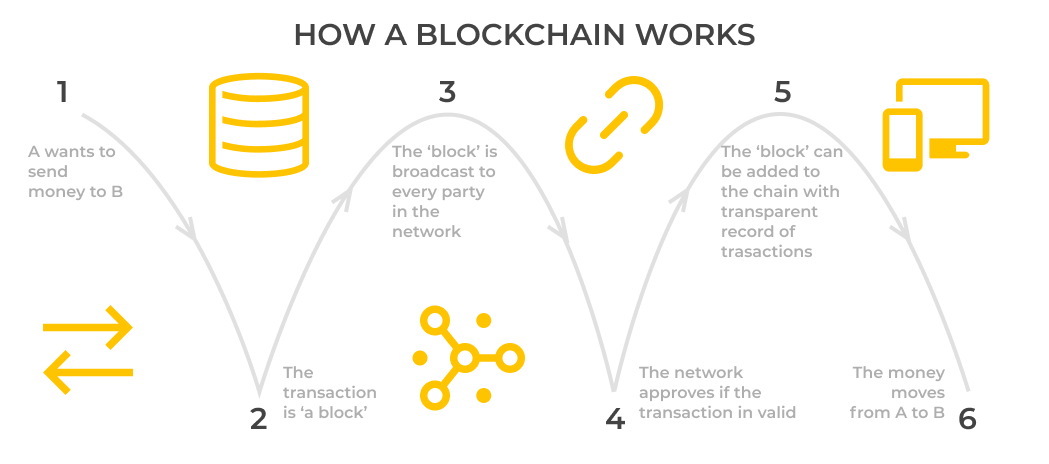
Bitcoin’s evolution from a mere digital currency to a widely recognized digital store of value signifies a pivotal shift in how investors perceive its role within the finance industry. This transformation can be attributed to several factors, each contributing to Bitcoin’s reputation as “digital gold.”
Bitcoin vs. Traditional Assets
The comparison between Bitcoin and traditional stores of value, such as gold, highlights some compelling arguments for why Bitcoin is increasingly viewed as a worthy alternative.
- Scarcity: Bitcoin’s supply is capped at 21 million coins, leading to its perception as a scarce asset. This contrasts sharply with fiat currencies, which can be printed at will by governments, leading to inflationary pressures.
- Durability: Bitcoin exists in a purely digital form and is less susceptible to physical damage or degradation compared to tangible assets like gold.
- Portability: Transferring Bitcoin across borders is a relatively simple and quick process compared to transporting physical commodities.
Institutional Adoption
A growing trend among institutional investors signals a shift toward recognizing Bitcoin as a legitimate store of value. Notable companies, hedge funds, and asset management firms are allocating portions of their portfolios to Bitcoin, reinforcing its status as “digital gold.”
Factors influencing institutional adoption include:
- Hedge Against Inflation: As central banks continue to implement monetary policies that increase money supply, institutional investors view Bitcoin as a potential hedge against inflation.
- Diversification Strategy: Adding Bitcoin to portfolios allows institutions to diversify their investments, reduce risk, and potentially achieve higher returns.
- Credibility: High-profile endorsements and investments from reputable figures and companies lend credibility to Bitcoin, encouraging further institutional involvement.
The Role of Bitcoin in Wealth Preservation
As the world grapples with economic uncertainty and fluctuations in the financial markets, Bitcoin emerges as a tool for wealth preservation. Investors looking for ways to protect their assets during turbulent times are increasingly turning to Bitcoin.
Key reasons behind this trend include:
- Decentralization: Bitcoin operates independently of any government or financial institution, providing a safe haven in times of geopolitical instability.
- Global Acceptance: Bitcoin’s borderless nature means that it can be utilized anywhere in the world, making it an attractive option for individuals seeking to preserve wealth outside of their local economies.
- Technological Resilience: The underlying blockchain technology ensures that Bitcoin remains secure and accessible even in challenging circumstances.
As Bitcoin solidifies its status as a digital store of value, it reshapes investor behaviors and attitudes, making it an integral part of modern finance.
Bitcoin Regulated: Navigating the Regulatory Landscape
As Bitcoin’s influence on the finance industry grows, regulatory authorities worldwide grapple with how to respond. The challenge lies in finding a balance between fostering innovation and ensuring consumer protection, financial stability, and compliance.
Current State of Regulation
The regulatory landscape for Bitcoin varies by region, with countries taking different approaches towards its classification, usage, and taxation.
- United States: In the U.S., Bitcoin is classified as property for tax purposes. The IRS requires taxpayers to report capital gains on Bitcoin transactions, leading to ongoing debates about whether it should be treated as a currency.
- European Union: The EU has taken steps to regulate cryptocurrencies by proposing legislation aimed at establishing a unified framework. However, member states still maintain varying degrees of regulatory clarity.
- Asia: Countries like China have adopted a hostile stance towards cryptocurrencies, banning mining and restricting exchanges, while other nations, like Japan, have embraced Bitcoin, acknowledging it as a legal form of payment.
Challenges in Regulating Bitcoin
Regulating Bitcoin presents unique challenges that traditional systems struggle to address.
- Decentralization: The absence of a central authority complicates enforcement efforts. Regulators find it difficult to monitor transactions and identify bad actors in a decentralized network.
- Rapid Innovation: The fast-paced development of cryptocurrency technologies outstrips existing regulatory frameworks. Policymakers are often left scrambling to catch up with innovations like DeFi, NFTs, and various blockchain applications.
- Consumer Protection vs. Innovation: Striking the right balance between protecting consumers from scams and fraud while nurturing innovation is a constant challenge. Overregulation can stifle creativity and progress in the crypto space.
The Future of Bitcoin Regulation
As Bitcoin continues to mature, it is likely that regulatory frameworks will evolve. Key trends to consider include:
- International Cooperation: There is growing recognition that a coordinated global approach to regulation could help mitigate risks while promoting innovation. Collaborative efforts among jurisdictions may lead to more comprehensive and effective regulations.
- Self-Regulation: Some industry groups advocate for self-regulatory measures to establish best practices and standards within the cryptocurrency ecosystem. This approach can foster trust and legitimacy while minimizing government intervention.
- Adaptive Regulations: Future regulations may need to adapt more rapidly to technological advancements, creating flexible frameworks that can accommodate changing landscapes.
Navigating the regulatory landscape will be crucial for Bitcoin’s continued mainstream acceptance and growth within the finance industry.
Bitcoin as a Payment System: Challenges and Opportunities
Bitcoin was initially envisioned as a decentralized payment system, allowing peer-to-peer transactions without intermediaries. However, its journey as a payment method has been complex, with numerous challenges and opportunities shaping its adoption.
The Promise of Bitcoin as a Payment Solution
Bitcoin offers several compelling advantages as a payment solution, attracting both merchants and consumers.
- Low Transaction Fees: Compared to traditional payment processors, Bitcoin transactions often entail lower fees, particularly for cross-border payments. This cost advantage appeals to businesses seeking to maximize profits.
- Speed of Transactions: Bitcoin transactions can be confirmed within minutes, contrasting with traditional banking systems that may take days to process international transfers.
- Security: Transactions made with Bitcoin are secured through cryptography, reducing the risk of fraud or chargebacks that plague traditional payment methods.
Barriers to Widespread Adoption
Despite its potential as a payment system, several challenges hinder Bitcoin’s mass adoption as a means of payment.
- Price Volatility: The fluctuating value of Bitcoin poses a significant obstacle for merchants and consumers. Businesses are often hesitant to accept Bitcoin as payment due to the risk of price swings affecting profitability.
- Scalability Issues: The Bitcoin network has faced scalability challenges, with limited transaction throughput leading to congestion during peak periods. Solutions like the Lightning Network aim to address these issues, yet widespread implementation remains a work in progress.
- Regulatory Uncertainty: Concerns surrounding regulatory compliance and the lack of clear guidelines can deter businesses from integrating Bitcoin into their payment systems.
Innovations Enhancing Bitcoin Payments
Despite these challenges, innovations are shaping the future of Bitcoin payments.
- Payment Processors: Companies like BitPay and Coinbase Commerce facilitate Bitcoin payments for merchants, streamlining the process and addressing concerns over volatility by enabling instant conversions to fiat.
- Mobile Wallets: The development of user-friendly mobile wallets has enhanced the accessibility of Bitcoin payments, allowing consumers to transact easily and securely.
- Integration with E-commerce: Platforms like Shopify and WooCommerce now support Bitcoin payments, allowing online businesses to tap into a broader customer base interested in using cryptocurrencies.
As these innovations continue to emerge, Bitcoin’s potential as a payment system may finally reach its promised heights.
Future of Finance: Will Bitcoin Become Mainstream?
The ongoing debate surrounding Bitcoin’s future revolves around the question of whether it will achieve mainstream adoption. As we assess current trends and developments, it’s vital to consider various factors that could influence Bitcoin’s trajectory within the finance industry.
Societal Attitudes Towards Bitcoin
Public perception plays a crucial role in determining Bitcoin’s future. As more individuals and institutions recognize Bitcoin’s value proposition, societal attitudes shift, opening doors for wider acceptance.
- Education and Awareness: Initiatives aimed at educating the public about Bitcoin and cryptocurrencies contribute to increased understanding, dispelling myths and misconceptions.
- Mainstream Media Coverage: Positive media coverage has helped demystify Bitcoin, portraying it as a legitimate financial asset instead of a speculative fad.
- Cultural Shifts: Younger generations, who grew up with technology, are more inclined to embrace digital currencies. This cultural shift may pave the way for Bitcoin’s mainstream acceptance.
Technological Advancements
The pace of technological advancements within the Bitcoin ecosystem will significantly influence its future. Continued innovations in blockchain technology, security measures, and payment solutions will enhance Bitcoin’s usability and attractiveness as a mainstream financial instrument.
- Layer 2 Solutions: Developments like the Lightning Network aim to improve Bitcoin’s scalability and transaction speed, addressing one of the critical hurdles hindering mass adoption.
- Interoperability: Improved interoperability between Bitcoin and other cryptocurrencies can facilitate easier transitions between different digital assets, enhancing overall adoption.
- Enhanced Security: Ongoing advancements in cybersecurity can bolster confidence in using Bitcoin for everyday transactions, alleviating concerns about potential hacks and fraud.
Regulatory Developments
The evolving regulatory landscape will play a significant role in Bitcoin’s mainstream acceptance. Clarity in regulations can provide legitimacy, fostering trust among users and businesses.
- Clear Guidelines: Establishing clear regulatory frameworks for cryptocurrencies can empower businesses to integrate Bitcoin into their operations confidently.
- Tax Implications: Addressing the complexities surrounding taxes on Bitcoin transactions can further encourage adoption, reducing apprehension among potential users.
- Global Cooperation: Collaboration between regulatory bodies on an international scale may yield more cohesive regulations, supporting Bitcoin’s growth in the global economy.
As these factors converge, the possibility of Bitcoin achieving mainstream status becomes increasingly plausible.
Conclusion
In conclusion, how Bitcoin is shaping the finance industry is a multifaceted narrative characterized by disruption, innovation, and an evolving regulatory landscape. From challenging traditional banking models and fueling the rise of decentralized finance to establishing itself as a digital store of value, Bitcoin’s impact resonates throughout the financial ecosystem. As we forge ahead, the interplay between societal attitudes, technological advancements, and regulatory developments will ultimately determine whether Bitcoin can achieve mainstream acceptance and redefine the future of finance.