Bitcoin Mining Carbon Footprint: Understanding the Environmental Impact

What Is the Carbon Footprint of Bitcoin Mining?

As digital currencies gain traction, concerns about Bitcoin mining carbon footprint come to the forefront. Did you know that Bitcoin mining consumes more energy than some countries? According to the Cambridge Centre for Alternative Finance, Bitcoin mining’s annual electricity consumption is akin to that of the Netherlands, raising alarms about its environmental implications.

How Does Bitcoin Mining Affect the Environment?

Bitcoin mining validates transactions through complex calculations, requiring substantial computational power. Here’s a breakdown of its environmental impact:

  • Energy Consumption: Significant energy is sourced from fossil fuels, contributing to greenhouse gas emissions.
  • Electronic Waste: The rapid innovation in mining hardware leads to high electronic waste generation.
  • Water Usage: Some mining operations use water to cool their systems, straining local resources.

The carbon intensity of mining operations largely depends on the energy mix in specific regions. For instance, Bitcoin mining in Iceland can be considered greener thanks to abundant renewable energy sources.
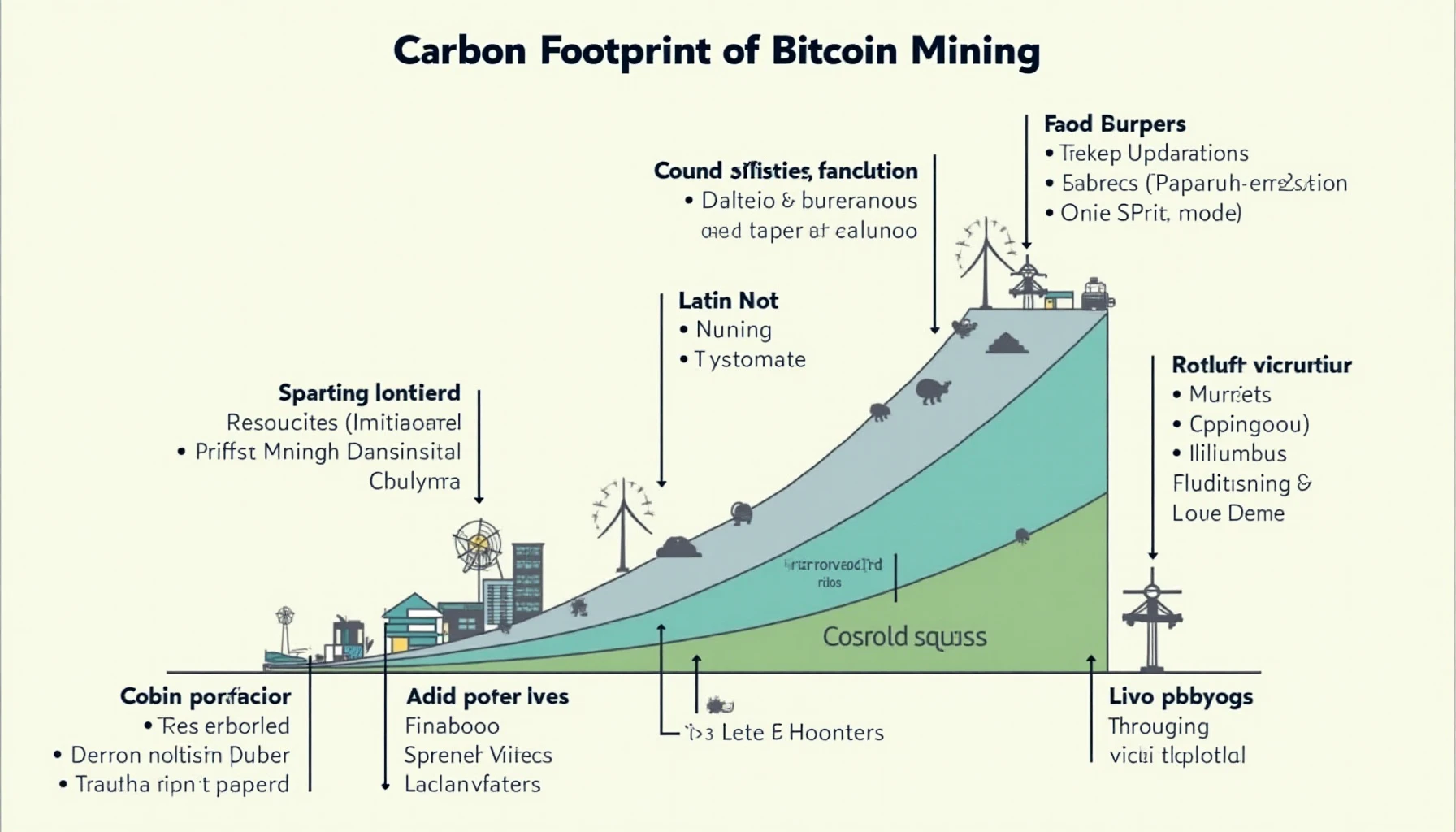
Bitcoin Mining Carbon Footprint

Is There a Way to Mine Bitcoin More Sustainably?

Absolutely! Here are some strategies for reducing the carbon footprint of Bitcoin mining:

  • Renewable Energy: Transitioning to solar, hydro, or wind power can drastically reduce emissions.
  • Energy Efficiency: Opt for advanced mining rigs that use less power while maintaining high hash rates.
  • Carbon Offsets: Some miners are purchasing carbon credits to offset their emissions, contributing to environmental projects.

The Future of Bitcoin Mining: Control and Innovation

As we move towards a more eco-conscious society, regulatory bodies may emphasize the need for greener practices in Bitcoin mining. By 2025, with the rise of potential altcoins and the growing trend toward sustainability, miners may need to adapt their methods to stay compliant and competitive.

For instance, a recent report from the World Economic Forum highlighted that a combination of technological innovation and regulatory measures could lead to a greener mining future, potentially reducing the carbon footprint significantly.

Conclusion: Making Informed Decisions in Cryptocurrency

As a Bitcoin miner or enthusiast, understanding the Bitcoin mining carbon footprint is crucial for making informed decisions. With the ever-evolving landscape of digital currencies, embracing sustainable practices is not just a choice, but a responsibility towards our planet. Act now by exploring options like renewable energy and energy-efficient mining equipment!

Similar Posts

  • 2025 DeFi Regulatory Compliance Insights for Institutions

    2025 DeFi Regulatory Compliance Insights for Institutions According to Chainalysis 2025 data, a staggering 73% of DeFi platforms exhibit vulnerabilities, highlighting the urgent need for robust regulatory compliance frameworks, particularly for institutional users. HIBT’s approach to DeFi regulatory compliance for institutional users provides a proactive strategy to navigate these complexities amidst growing regulatory scrutiny. Understanding…

  • 2025跨链互操作性安全审计指南

    2025跨链互操作性安全审计指南 根据Chainalysis 2025年数据,全球73%的跨链桥存在潜在漏洞,使得用户的资金面临极大风险。在这种背景下,了解和实施HIBT promotional strategies显得尤为重要。这些策略包括跨链互操作性和零知识证明的应用,为保护用户资产提供了有力支撑。 什么是跨链互操作性? 简单来说,可把跨链互操作性想象成货币兑换亭。当你想把人民币换成美元时,需要一个兑换平台。同样,跨链互操作性允许不同区块链之间进行资产和信息的交换。最近,越来越多的金融工具和平台开始专注于这一领域,以增强用户体验。 零知识证明应用的优势 零知识证明就像你在商店买东西时,不需要透露你的银行卡号,只要证明你有足够的钱就行了。这种技术在保护用户隐私的同时,确保了交易的合法性和安全性。通过应用零知识证明,HIBT promotional strategies能有效增强用户信任,降低数据泄露风险。 2025年新加坡DeFi监管趋势 随着DeFi的迅猛发展,新加坡也在不断完善其监管框架。预计到2025年,新加坡金融管理局(MAS)将会推出一系列细化政策,以确保加密货币交易的透明度和合规性。对于投资者和平台而言,遵循这些监管框架将是成功的关键。 PoS机制能耗对比 你可能听说过PoS(权益证明)机制,它与传统的PoW(工作量证明)相比,消耗的能量就像一盏节能灯和一盏普通灯泡的对比。根据CoinGecko的数据,PoS机制能显著降低能耗,因此许多新项目开始转向这一方案。实施HIBT promotional strategies时,选择PoS机制可以是一个明智的选择。 总结来说,强化跨链互操作性与运用零知识证明是当前加密领域的一大趋势。通过整体提升安全性,新加坡的监管动态及PoS机制的应用,有望让用户对加密货币的使用更加安心。 立即下载我们的工具包,进一步了解如何保护你的加密资产! 风险声明:本文不构成投资建议,操作前请咨询当地监管机构。 想了解更多关于跨链安全的内容?请查看我们的跨链安全白皮书。

  • Blockchain Silk Production Vietnam: Revolutionizing the Industry

    Blockchain Silk Production Vietnam: Revolutionizing the Industry According to Chainalysis 2025 data, global supply chains are facing mounting pressure for transparency, with over 63% of producers seeking innovative solutions. Blockchain technology stands out as a beacon of hope, particularly in niche markets like silk production in Vietnam. What is Blockchain Technology? Think of blockchain like…

  • Understanding Vietnam PEP Checks: Enhancing Financial Security

    Understanding Vietnam PEP Checks: Enhancing Financial Security According to data from Chainalysis 2025, an alarming percentage of financial institutions globally fail to conduct effective Political Exposed Person (PEP) checks. Particularly in Vietnam, where the economy is expanding rapidly, implementing robust PEP checks can help mitigate risks associated with corrupt practices and money laundering. What Are…

  • Understanding Bitcoin OTC Trading Volume in Vietnam

    Introduction According to Chainalysis 2025 data, over 70% of all Bitcoin trades occur off-exchange, highlighting a significant trend in Bitcoin OTC trading volume in Vietnam. This shift raises questions about market accessibility, security, and regulatory implications for local investors. What is Bitcoin OTC Trading? Bitcoin OTC trading, or over-the-counter trading, is like having a private…

  • Vietnam Crypto Point of Sale Systems: 2025 Trends to Watch

    Understanding Vietnam’s Crypto Adoption Landscape In recent years, Vietnam has emerged as a key player in the cryptocurrency sector. According to Chainalysis data from 2025, Vietnam ranks high in crypto adoption, with over 20% of the population engaging in trading or investments. This growing interest is shaping the development of Vietnam crypto point of sale…

Leave a Reply

Your email address will not be published. Required fields are marked *